
 MENS
MENS LADIES
 SALE
SALE
Golf apparel for beginners does not need to be expensive or complicated. A handful of well-chosen pieces will cover most situations, from your first lesson on a public course to your first round at a private club. This guide walks you through everything you need to know so you can focus on the game instead of worrying about what you have on.
Why proper golf apparel matters for beginners
Golf is one of the few sports where what you wear directly affects how welcome you feel and how well you perform. Unlike a casual jog or a gym session, a golf course is a structured environment with expectations around presentation. Turning up in the wrong outfit can mean being asked to leave or change before you even tee off, which is not a great start to your first round.
Beyond dress codes, the right beginner golf clothing genuinely helps your game. Trousers and shirts made from stretch fabrics allow you to swing freely without feeling restricted. Moisture-wicking materials keep you dry when nerves or warm weather make you sweat. Proper footwear gives you the grip and stability that a swing actually depends on. These are not luxury concerns. They are practical ones that affect how quickly you improve.
There is also a confidence element that is easy to overlook. When you feel put together and appropriate for the setting, you are more relaxed. Relaxed golfers make better decisions and enjoy the experience more. For beginners, that enjoyment is what keeps you coming back.
How to Build a Beginner Golf Wardrobe on a Budget
 You do not need a large or expensive wardrobe before playing your first round. Start with a few comfortable and versatile pieces that meet common golf course dress codes. You can then add more clothing as you begin playing regularly and experience different weather conditions.
Essential Clothing for Your First Round
A simple beginner golf outfit should include:
-
One collared golf polo shirt
-
Golf trousers or smart golf shorts
-
Clean, supportive trainers or golf shoes
-
A lightweight jacket when rain or wind is expected
These items are enough for most public and pay-and-play courses. However, dress codes can vary, so always check the course website before your visit.
Useful Additions for Regular Golfers
Once you start playing more often, the following items can make your rounds more comfortable:
-
A golf glove for better grip and fewer blisters
-
A lightweight gilet or quarter-zip for cooler weather
-
A cap or visor for sun protection
-
A plain belt for a smarter appearance
-
Cushioned sports or golf socks for added comfort
-
Waterproof spikeless golf shoes for wet conditions
You do not need to buy everything at once. Add these items gradually based on the weather, the courses you play and how often you golf.
Choose Colours That Work Together
Neutral colours make it easier to create different outfits with fewer clothes. Navy, grey, black, beige and white can be mixed without much effort.
For example, three polo shirts and two pairs of bottoms give you six possible outfit combinations. Choosing versatile colours allows you to look different from one round to the next without buying a separate outfit for every game.
Focus on Quality Over Quantity
It is better to own a few comfortable and reliable pieces than a wardrobe filled with clothing that restricts movement or wears out quickly.
Look for golf clothing made with:
-
Lightweight and breathable fabrics
-
Stretch for easier movement
-
Moisture-wicking materials
-
Comfortable, practical fits
-
Easy-care fabrics that hold their shape
Druids offers performance golf clothing at accessible prices, with polo shirts, trousers, shorts, jackets and accessories available for men, women and junior golfers. This makes it easier for beginners to build a practical golf wardrobe without paying premium-brand prices.
Build Your Wardrobe Around the Seasons
Your clothing needs will change throughout the year. During summer, focus on lightweight polo shirts, breathable shorts and sun protection. In autumn and winter, add a warm midlayer, waterproof outerwear and waterproof footwear.
Layering is usually more practical than buying a completely separate wardrobe for each season. A polo shirt, quarter-zip and lightweight waterproof jacket can be worn together in colder weather or used separately as conditions change.
Start with the clothing you need for your first few rounds, then expand your wardrobe based on your playing habits and the conditions you experience most often.
Choosing Your First Golf Polo Shirt

The polo shirt is the most recognised piece of golf clothing in the world, and for good reason. It strikes the right balance between smart and practical. Almost every golf club, whether public or private, accepts a polo shirt as appropriate attire. If you only buy one type of shirt for the course, make it a polo.
What fabric should you choose?
Fabric matters more than most beginners expect. Cotton polo shirts look good but can become heavy and uncomfortable once you start sweating. Golf-specific polo shirts are usually made from polyester blends or performance fabrics designed to wick moisture away from your skin. These keep you feeling dry and fresh through an entire round, especially during summer months or when walking all 18 holes.
Breathability is the other key factor. A shirt that traps heat will sap your energy and your concentration. Look for lightweight materials with a little stretch built in. That stretch is particularly important for golf shirts because your backswing and follow-through demand a surprising amount of shoulder and torso movement.
Fit and collar requirements
For golf, fit should be athletic but not tight. A shirt that is too fitted will pull across the shoulders at the top of your backswing. Too loose and it looks sloppy, which can draw unwanted attention at stricter clubs. Most golf-specific shirts are cut to allow movement while still looking neat.
Traditional golf clubs almost always require a collar. This rules out crew neck t-shirts, even if they are made from performance fabric. A polo shirt or a button-down collar shirt covers this requirement at virtually every course you will visit as a beginner.
Choosing your first golf trousers or shorts

Below the waist, you have a few options, and the right choice depends on the weather, the course, and your own comfort. Golf trousers and shorts are both acceptable at most courses, but there are some important style and fit rules to follow.
Trousers
Golf-specific chinos or tailored trousers are the safest option for any course. They look smart, move well, and work in warm or cool weather. Modern golf trousers are made with stretch fabric woven in, which is a game changer for new golfers who are still working on their hip rotation and stance. Avoid anything with a drawstring waist or a casual, relaxed cut. These tend to look more like tracksuit bottoms than proper golf attire.
Neutral and classic colours like navy, grey, beige, and black are the most versatile choices for a first wardrobe. They mix easily with different shirts and work across multiple courses without any risk of clashing with dress code expectations.
Shorts
Golf shorts are acceptable at most public and semi-private courses, and increasingly at private clubs during summer. The key is length and cut. Shorts should sit at or just above the knee. Anything shorter tends to look too casual, and anything longer starts to look sloppy. Cargo shorts with side pockets are generally not allowed, so stick to tailored or golf-specific styles.
For beginners, a pair of smart golf shorts and a pair of full-length trousers covers you for almost all situations. Together, these two options cover most seasons and course requirements.
Weather-ready layers every beginner should own

Golf is played outdoors in all conditions, and the weather can shift dramatically between your tee time and the back nine. Having the right layers is one of the most practical investments a beginner can make.
Lightweight jackets and windbreakers
A lightweight, waterproof or water-resistant jacket is essential if you play anywhere with unpredictable weather. It folds easily into a golf bag, weighs almost nothing, and can mean the difference between a comfortable round and a miserable one. Look for a jacket with stretch panelling across the back and shoulders so your swing is not affected when you put it on mid-round.
Windbreakers serve a slightly different purpose. They block cold air on breezy early mornings without adding bulk. If you play courses that are exposed or coastal, a good windbreaker will see regular use.
Gilets and quarter-zips
A lightweight gilet or a quarter-zip pullover is ideal for transitional weather. On a cool morning that warms up by mid-round, a gilet gives you an extra layer over your polo shirt without restricting your arm movement at all. Quarter-zips offer a little more coverage for the chest and are easy to pull on and off between holes. Both pieces work as a middle layer under a jacket if it gets genuinely cold.
Layering without losing your swing
The golden rule for layering on the golf course is to keep each piece as close-fitting and lightweight as possible. Bulky jumpers and thick hoodies restrict your shoulder turn and make it hard to gauge your swing mechanics. Stick to golf-specific mid-layers that are designed with movement in mind. If you can swing freely while wearing it at home, it will work on the course.
Footwear fundamentals

Your feet are your connection to the ground during a golf swing, and the wrong footwear can genuinely affect your balance, your comfort, and the quality of your shots. Golf shoes are not just a style choice. They are a functional piece of equipment.
Spiked vs spikeless
The main choice you will face is between spiked and spikeless golf shoes. Traditional spiked shoes use soft plastic cleats on the sole to grip the turf, giving you stability during your swing. They are particularly useful on wet or hilly courses where traction matters most. The downside is that they are not comfortable for walking around the clubhouse, and some courses ask you to remove them indoors.
Spikeless golf shoes look much more like a regular trainer or casual shoe. They use textured rubber soles to provide grip and are comfortable enough to wear all day. For beginners playing at public or casual courses, spikeless shoes are often the better starting point. They are versatile, easy to walk in, and accepted everywhere. As your game develops and you play more technically demanding courses, you can explore spiked options.
Waterproofing and comfort
Waterproofing is a feature worth paying attention to, especially in the UK and other regions where morning dew and light rain are common. Wet feet are uncomfortable and distracting, and no beginner needs that added difficulty. Many mid-range golf shoes now offer waterproof membranes as standard. For walking 18 holes, cushioning and arch support matter too. Try shoes on with the socks you would actually wear on the course before buying.
Can beginners wear trainers?
At many public and pay-and-play courses, a clean pair of supportive trainers is acceptable, especially for beginners. If you are just trying golf for the first time and do not want to invest in shoes immediately, this is a reasonable starting point. That said, dedicated golf shoes will noticeably improve your stability and comfort, and they do not need to cost a fortune to be effective.
Accessories that complete your golf wardrobe
The main pieces of clothing get most of the attention, but the accessories you choose fill in important practical gaps. A few well-chosen items make a real difference to your comfort and performance.
Headwear
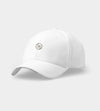
Sun protection matters on the golf course. You are outdoors for several hours, often without much shade. A golf cap with a structured brim is the classic choice and works well for keeping the sun out of your eyes when you are lining up a shot. Visors are a good alternative if you prefer more airflow on your head. Bucket hats have become increasingly popular and offer more coverage around the sides of the face and neck. For comfort and protection, any of these options works well.
Golf gloves
Most golfers wear a single glove on their lead hand, which is the left hand for right-handed golfers. The glove improves your grip on the club and reduces friction that can cause blisters during a long round. As a beginner, you will be hitting a lot of shots during practice and your first rounds, so a glove is genuinely useful. It does not need to be expensive. A basic leather or synthetic glove from a quality brand will serve you well from the start.
Belts and socks
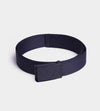
If your golf trousers have belt loops, most courses expect you to wear a belt. A simple, plain leather belt in black or brown covers every dress code requirement. For socks, standard ankle socks or sports socks work fine, but golf-specific socks are designed with extra cushioning under the heel and ball of the foot, which makes a difference over 18 holes. They are an inexpensive upgrade that improves comfort noticeably.
Frequently Asked Questions
Should a golf polo shirt be tucked in?
This depends on the course. Many casual and public courses allow polo shirts to be worn untucked if they are designed that way and still look neat. Traditional or private clubs may require shirts to be tucked in, so check the club’s dress code before playing.
Can beginners wear a hoodie on the golf course?
Some modern and casual golf courses allow golf hoodies, particularly when they are designed for playing. However, traditional clubs may have stricter rules. Choose a lightweight, fitted hoodie that allows you to swing freely and confirm the course policy before your visit.
What should I wear to a driving range?
Driving ranges usually have more relaxed clothing rules than golf courses. A comfortable polo or sports top, stretch trousers or shorts, and supportive trainers are normally suitable. Wear clothing that allows your instructor to see your posture and body movement clearly.
How can I check a golf course dress code?
Visit the course website and look for a dress code, visitor information, or frequently asked questions page. When the rules are unclear, contact the clubhouse or professional shop before your round. Checking in advance helps you avoid arriving in clothing that may not be permitted.
Can women wear sleeveless golf tops?
Many courses allow women to wear sleeveless golf tops, particularly during warmer weather. Some traditional clubs may require the top to have a collar. As dress codes vary, it is best to check the individual course before playing.
Do junior golfers follow the same dress code as adults?
Junior golfers are generally expected to follow the same basic dress-code principles as adults. A polo shirt with neat trousers or shorts is suitable for most courses. Some clubs may be more flexible with children, but dressing them in proper golf clothing is usually the safest option. Druids offers golf clothing for junior players, making it easier to create a comfortable and course-appropriate outfit.
Conclusion
Beginners do not need a large or expensive golf wardrobe. Start with a comfortable collared polo, smart trousers or shorts, supportive footwear and a lightweight weather layer. Check the course dress code before visiting, then add specialist items as you begin playing more regularly. Choosing versatile colours and performance fabrics will help you stay comfortable while getting better value from every piece.